Category architecture
Group families, brands and intents to avoid weak or competing pages.
PrestaShop can rank well when catalog architecture, filters, URLs and modules are managed as one SEO system.
Why PrestaShop
PrestaShop stores can generate thousands of URLs through filters, variants, sorting, deep categories and modules. We keep useful pages indexable, reduce noise, and strengthen commercial pages.
SEO plan
We prioritize settings that improve indexation quality, catalog understanding and mobile experience.
Group families, brands and intents to avoid weak or competing pages.
Choose which combinations should be indexed, canonicalized or blocked.
Clean URL patterns, manage migrations and preserve authority from old pages.
Structure titles, descriptions, product data, reviews, prices and availability.
Align FR, EN and AR versions without language or domain duplication.
Reduce theme, script and module weight that slows crawl and mobile pages.
Business categories, strong brands, buying guides and seasonal collections.
Facets, sorting, pagination, tags, internal search, parameters and variants.
Internal links, structured data, advice blocks, delivery proof and trust elements.
Common mistakes
A store can look clean while sending very confusing signals to Google.
Every facet is open to indexation.
An indexation plan separates useful filters from wasteful combinations.
Categories only show a product grid.
Strategic pages add context, links, short FAQs and commercial proof.
Modules output duplicate canonicals or schema.
Markup is checked in final HTML, not only in the back office.
A redesign changes URLs without a full 301 map.
Every important old URL gets a clear destination before launch.
The mobile theme loads too many scripts.
Scripts are auditable, deferred and limited to the pages that need them.
Method
We compare crawlable, indexable, canonical, paginated and filtered URLs.
We connect business priorities to categories, product pages and content blocks.
We document PrestaShop or module settings to change, with expected SEO impact.
Fixes are ranked by impact, effort and regression risk.
Method proof
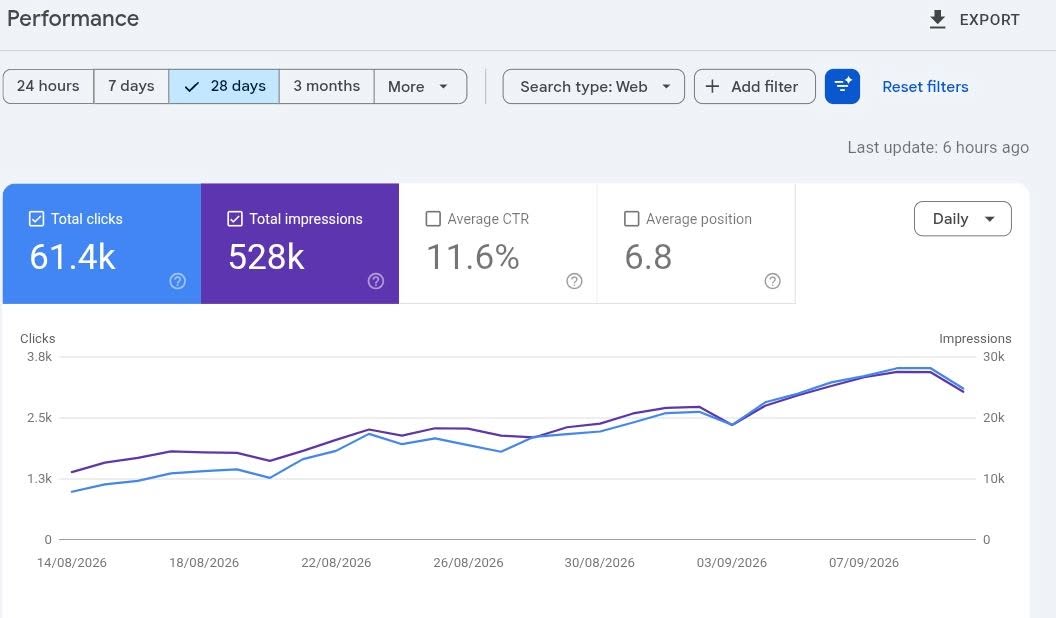
When GSC access is available, PrestaShop priorities are matched with real queries, pages, impressions and losses.
Budget mostly depends on catalog size, language count, installed SEO modules and technical debt.
FAQ
Yes, when categories, facets, canonicals, performance and product data are configured properly. The CMS itself is rarely the main blocker.
Not all of them. Some filters match real demand, but many create duplicate or thin pages.
Yes. The audit is delivered as clear technical actions with priorities and example URLs.
Send the store URL. We will identify pages to strengthen, URLs to close and technical fixes to prioritize.